
Tiny city, big impact: Arxan emerges as cross-cultural bridge

/ Our Today
administrator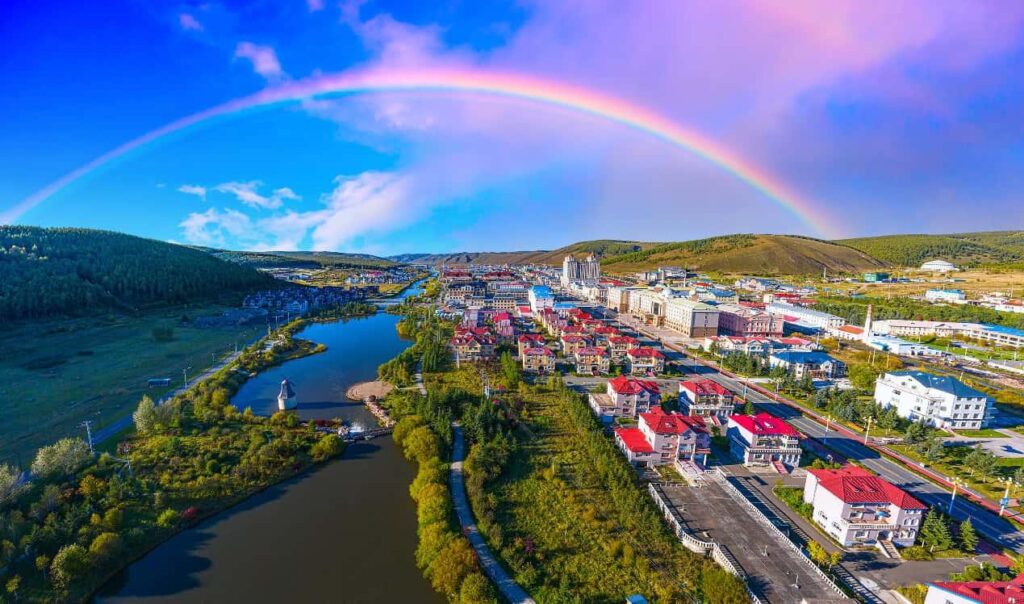
region. (Photo: Publicity Department of Arxan)
Tucked away in the northwestern corner of Xing’an league in north China’s Inner Mongolia autonomous region, Arxan ranks among China’s “tiniest cities” by population, just 28,600 residents, yet it exerts a disproportionate influence in tourism and cultural exchanges.
Once a remote border town, Arxan has transformed in recent years into a magnet for visitors drawn by pristine natural beauty and commitment to sustainable development. Its unique mix of volcanoes, crater lakes, vast forests, and thermal springs has earned it a reputation as a “healing destination,” especially among travellers from neighbouring Mongolia.
For O Adiya, a Mongolian businessman and president of the chamber of commerce in Dornod, Mongolia, Arxan stands out among the many places he has visited in China.
“The natural scenery is absolutely breathtaking. For many Mongolians, Arxan is an ideal travel destination,” he said.
Nestled on the southwestern slopes of the Greater Khingan Mountains, Arxan offers a rare convergence of forest and grassland civilisations. Visitors can hike through dense woods, stroll across sweeping grasslands, and marvel at dramatic rock formations and snow-covered peaks. In winter, naturally heated mineral springs with a variety of temperatures and therapeutic properties become especially popular.
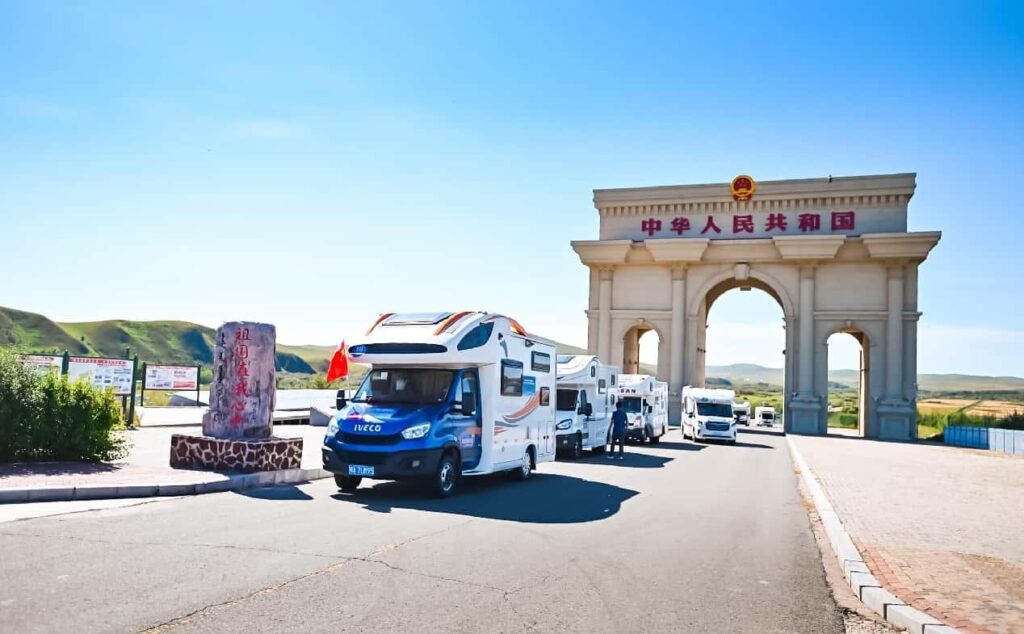
“Every year, many Mongolian tourists enter through the Arxan border port,” said Tang Xin, deputy head of a border inspection team at the city’s immigration inspection station. Beyond shopping, most visitors seek the natural landscapes and therapeutic springs, Tang added.
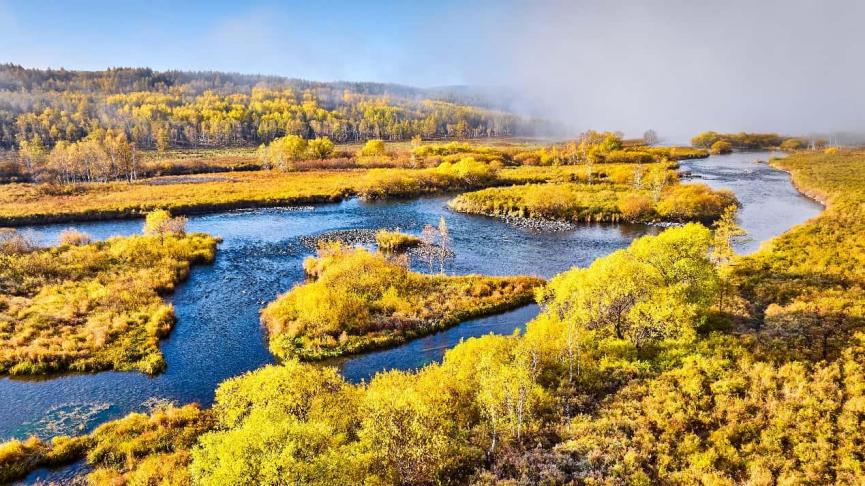
“September offers peak scenery – when the forests are ablaze with colour, like nature’s very own palette,” he said.
Local businesses have seized the opportunity to tailor experiences to cross-border visitors. Fu Lihong, a local tourism service provider, has developed customised wellness packages featuring hot springs and traditional therapies.
“Mongolians value traditional Mongolian medicine, which recognises the health benefits of thermal springs and medicinal baths, ” Fu explained. “This drives Arxan’s geothermal resorts’ popularity.”
To accommodate rising visitor numbers, the Arxan border port, once only open seasonally, for eight months a year, now operates year-round.
Arxan’s development is rooted in a larger transformation. Formerly a major timber industry hub, the city pivoted to ecological protection after China’s nationwide natural forest conservation programme took effect. Today, with forest coverage above 80 per cent and vegetation exceeding 95 per cent, Arxan is both a biodiversity haven and an ecotourism model. Leveraging its robust green industries, Arxan is cultivating an outward-facing ecological culture.
The city’s lush forests also provide a safe haven for local wildlife. Winter visitors might spot Mongolian gazelles, red deer, and roe deer wandering along forest trails – just a few of the many wild animals thriving in the protected habitat.
Environmental cooperation has become a cornerstone of foreign exchanges between Xing’an league and neighbouring Dornod. As Mongolia advances a campaign to plant 1 billion trees, the cold-resistant, high-survival-rate tree species native to the Greater Khingan Mountains – like spruce and larch – have emerged as ideal choices for reforestation.
“Building a greener homeland is a shared aspiration for China and Mongolia,” said Xiao Cuiyan, head of the foreign affairs office of Xing’an league. “The resilient trees of the Greater Khingan Mountains have become ‘envoys of friendship,’ representing both ecological hope and cultural bonds.”
According to Xiao, the league is actively partnering with Mongolian partners to provide saplings and expertise, with the goal of planting these green seeds across the Mongolian steppe.
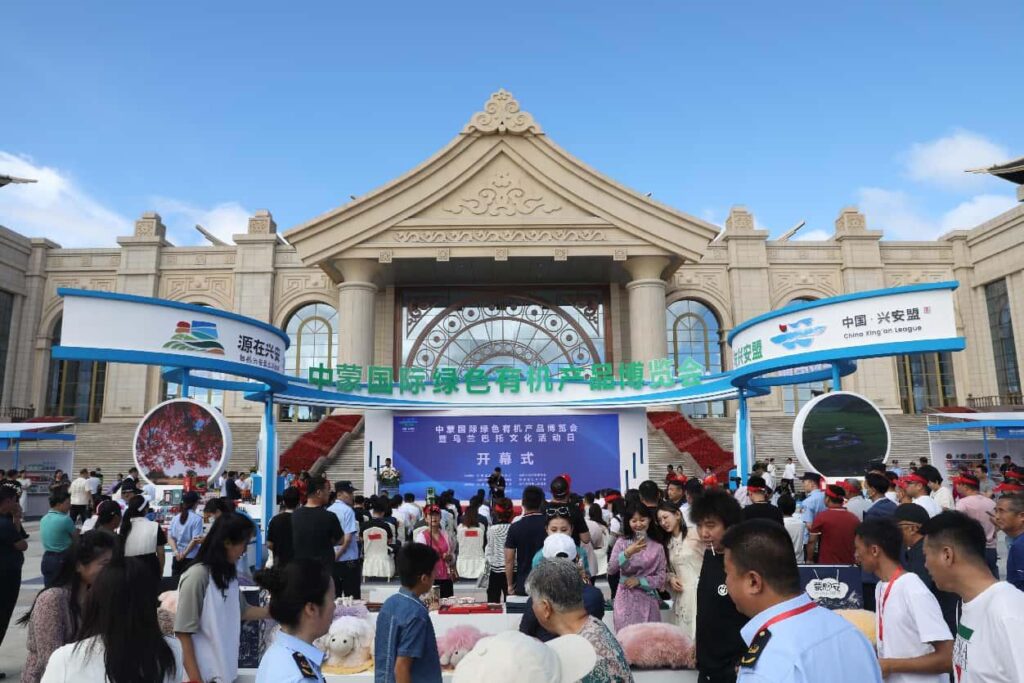
Located at the intersection of China, Mongolia, and Russia, Arxan has long served as a gateway for cultural exchanges. With a rich history of cross-border interaction, Xing’an league remains a fertile ground for people-to-people ties. In recent years, it has hosted a range of major events and cultural exchanges, including the China-Mongolia-Russia cultural and arts week, subregional basketball tournaments, and performances of Mongolian long songs.
“China, Russia, and Mongolia are close neighbours connected by mountains and rivers. We share a common future and long-standing friendships,” Xiao said. “Here in Xing’an, the most beautiful scenery lies not just in nature, but in the spirit of openness, inclusiveness, and harmony of the people.”
Article courtesy of People’s Daily Online.




Comments