
Vicki Hanson | Connecting the dots for the big picture

/ Our Today
administrator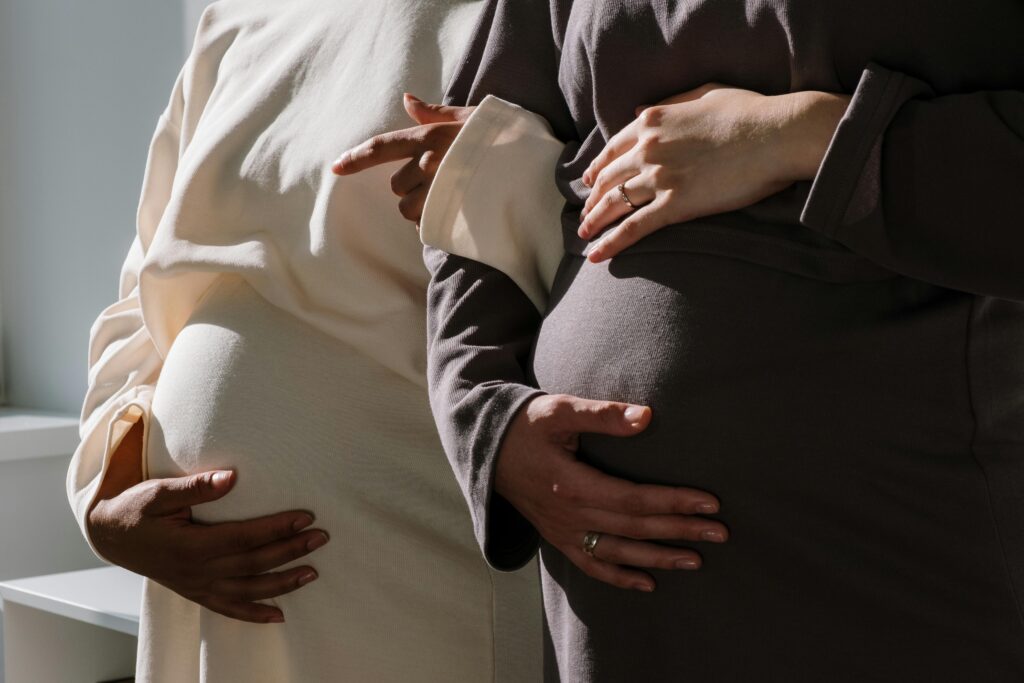
When I was a child attending Chetolah Park Primary School (yes, the same school attended by Cliff Hughes), there was a weekly newspaper for students called the Children’s Own.
I always made sure to get my copy because I loved working on the “connect the dots puzzle” to reveal what the picture of the week would be. Just as each dot in the puzzle contributed to a larger picture, each policy decision—whether personal, national, or foreign—forms part of a broader landscape that shapes our lives. Reflecting on this as I sat in my small corner at work this week, I realised I was engaging in a similar process of connecting the dots, only now with the complex issues that influence policy decisions at various levels.
Before delving further into my analysis, it is essential to provide a clear definition of policy understandable by readers without specialised knowledge.
HK Colebatch, in his work ‘Concepts in the Social Sciences: Policy‘, defines policy as “all the ways in which we organise our life”.
In ‘Politics of Policies: Revisiting the Quality of Public Policies and Government Capabilities in Latin America and the Caribbean‘, M Franco Chuaire and C Scartascini identify key characteristics of policy, including stability, adaptability, coordination, enforcement, and efficiency, all of which are integral to development.
Notably, both definitions underscore the rationale behind why individuals or states may pursue specific courses of action. The point can therefore be made that individuals and nation-states will organise their lives in such a way as to ensure stability and efficiency for their development and resilience.
The recent concerns raised by Health Minister Dr Christopher Tufton and Prime Minister Dr Andrew Holness regarding the country’s declining birth rate directly touch on the core of individual decision-making about reproductive health.

Since these national leaders brought attention to this issue, it has sparked widespread discussion across Jamaican society, even inspiring conversations and references in dancehall music about procreation.
During a recent conversation with several young female professionals, the topic of family and social support systems available to women who choose to have children was raised by a colleague. Many women have argued that government social safety net programmes such as the Programme of Advancement Through Health and Education (PATH) have failed to support them, especially in cases where they lack extended family support or the assistance of a spouse.
These discussions highlighted the challenges faced by professional women, especially in balancing career aspirations with the responsibilities of parenthood. One colleague expressed her perspective candidly, stating that unless the government prepared to make a substantial contribution—for example, paying at least 20 per cent of the cost of a J$33 million Chester Creek house—she would not be motivated to support efforts aimed at increasing the national birth rate.
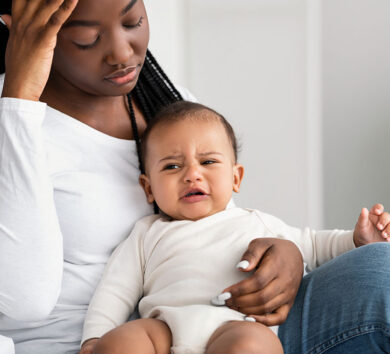
She explained that as a single professional, she already faces significant difficulties managing her current responsibilities, and the prospect of raising a child would only add to these challenges without adequate support. Like this young lady, several professionals share the concern that taking on the additional financial responsibility of childcare could significantly impact their economic stability.
They worry that, by factoring the cost of childcare into their existing expenses, their total expenditures might rise to a point where they are living at—or even below—the national poverty line. This perception highlights a broader apprehension among working professionals who must balance family ambitions with the realities of financial constraints and limited family support systems (another major issue I will tackle, when next I have something to say!).
Another viewpoint raised in these discussions is the connection between the government’s recent decision to introduce new taxes—following ten consecutive periods without any tax increases—and individual choices regarding family planning.
In particular, some argue that the new taxes on sugary beverages could have unintended consequences for the country’s birth rate. The concern is that these taxes will make it more difficult for families to afford reasonably priced food items, as these usually contain high sugar content, and children usually favour these products with high sugar content. As a result, the added financial burden may discourage some individuals from having more children, since providing for a family becomes even more challenging when everyday food options become less accessible due to increased costs.
An additional point that we must connect to understand the big picture of our individual and national policy choices is that of the decision of international leaders in the foreign policy milieu, for example, the decision of world leaders to engage in a conflict in the Middle East.
The current conflict between the US and Israel versus Iran has also led to an increase in oil prices.
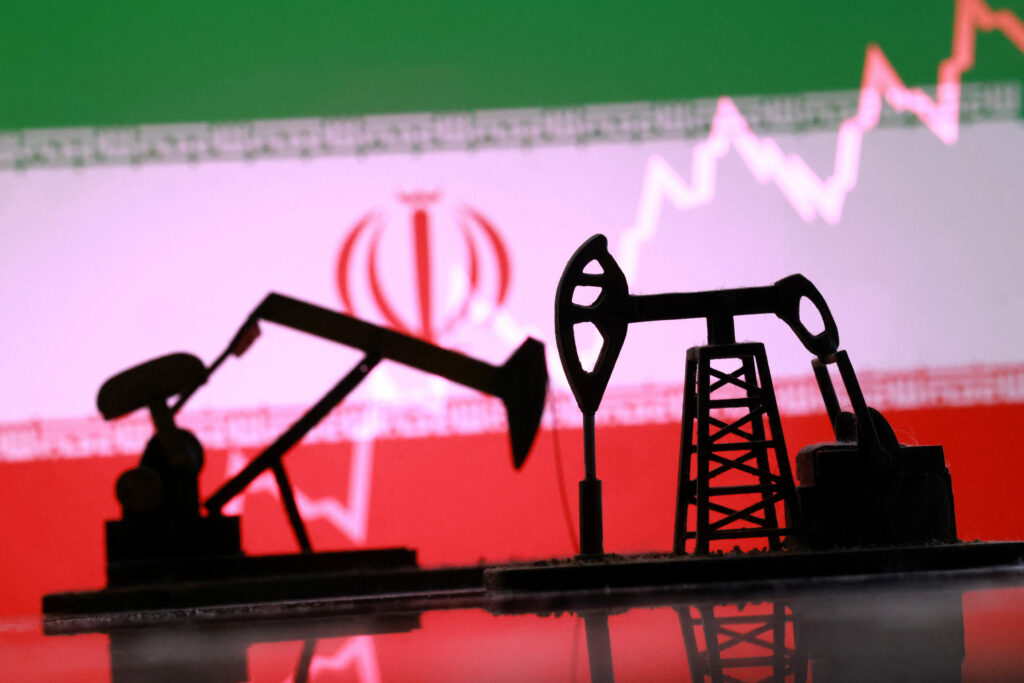
This escalation in oil prices is not just a distant event; it has direct consequences for Jamaica, especially as the country enters the reconstruction phase following Hurricane Melissa. Higher fuel costs can trigger inflationary pressures, which can reduce the resources available at both the national and individual levels. At the national level, increased gas prices mean that less money is accessible for critical reconstruction efforts. At the individual level, these price hikes may reduce the funds available for childcare, further delaying or discouraging a decision to procreate.
Accordingly, it is essential to consider the broader context when discussing topics such as birth rate, taxation, and international conflicts, as these factors collectively influence decision-making processes for development at every level.
Next time, I will tell you what else I have to say!
Send comments and feedback to [email protected] and [email protected].
Comments