

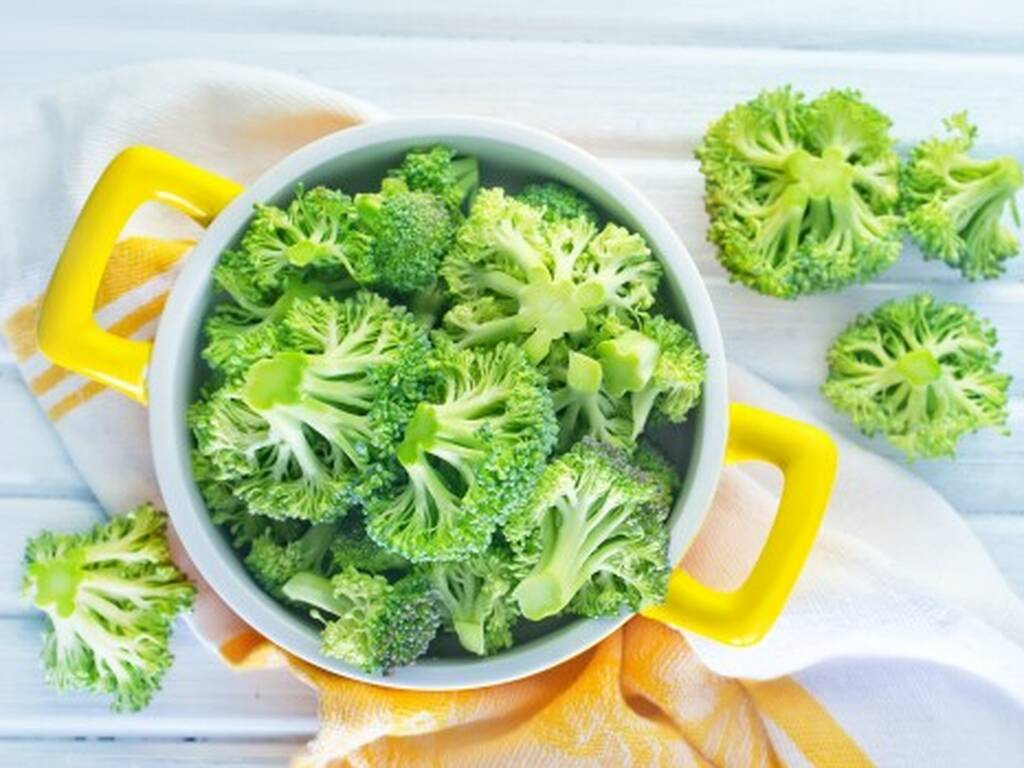
Researchers from Penn State have added to evidence suggesting broccoli is a “superfood”.
Without question, broccoli is one of the more divisive vegetables.
But whether you love or despise the sight of it, this veggie is definitely beneficial for health.
And now, researchers from Penn State have added to evidence suggesting broccoli is a “superfood”, with new findings showing that it is potentially particularly good for the gut.
“We all know that broccoli is good for us, but why? What happens in the body when we eat broccoli?” said Gary Perdew.
BRUSSEL SPROUTS SHOULD BE PART OF NORMAL, HEALTHY DIET
“Our research is helping to uncover the mechanisms for how broccoli and other foods benefit health in mice and likely humans, as well. It provides strong evidence that cruciferous vegetables, such as broccoli, cabbage, and Brussels sprouts should be part of a normal healthy diet.”
For the study, Perdew and his team fed an experimental group of mice a diet containing 15 per cent broccoli – equivalent to about 3.5 cups per day for humans – and gave a control group of mice a typical lab diet that did not contain broccoli.
“The gut health of the mice that were not fed broccoli was compromised in a variety of ways that are known to be associated with disease.”
Gary Perdew
They then analysed the animals’ tissues, and accordingly, found that broccoli contains certain molecules that bind to a receptor within mice. This helps to protect the lining of the small intestine, inhibiting the development of disease.
“The gut health of the mice that were not fed broccoli was compromised in a variety of ways that are known to be associated with disease,” continued Perdew.
“Our research suggests that broccoli and likely other foods can be used as natural sources of aryl hydrocarbon receptor (AHR) ligands, and that diets rich in these ligands contribute to resilience of the small intestine.”
Full study results have been published in the journal Laboratory Investigation.





Comments