
6 tips on how to develop good sleeping habits naturally

Mikala Johnson / Our Today

Eight hours or more, that’s the recommended hours of sleep that adult individuals should get nightly in order to maintain a healthy lifestyle.
As you may already know sleep is very important to an individual’s health. However, a lot of people are suffering from a lack of sleep as a result of bad sleeping habits.
Some individuals struggle to fall asleep even though they may feel tired and sleepy from a long day at work or school.

Imagine you have to wake up at 5:00 in the morning to get ready for work or school, but you find yourself wide awake at 3:00 in the wee hours counting sheep.
Studies have shown that a lack of sleep can cause a lot more stress, anxiety, and even depression. It can even affect your performance at work or school for the whole day.
There are several factors that can hinder you from getting a good night’s sleep — from work stress and family responsibilities to illnesses are just a few of the factors that will interfere with you rest. No wonder why quality sleep is sometimes elusive.

You might not be able to control the factors that interfere with your sleep. However, you can adopt habits that encourage better sleep and longer sleeping hours. Here are a few tips that you can start with.
Transform your bedroom into a sleep – inducing environment
Make your room sleep friendly! Keep your room dark, quiet, and cool to make it a sleep-inducing environment that promotes sleepiness.
You can use earplugs to lower the volume of other noises around the house. Turn off the lights or block them using heavy and dark curtains.
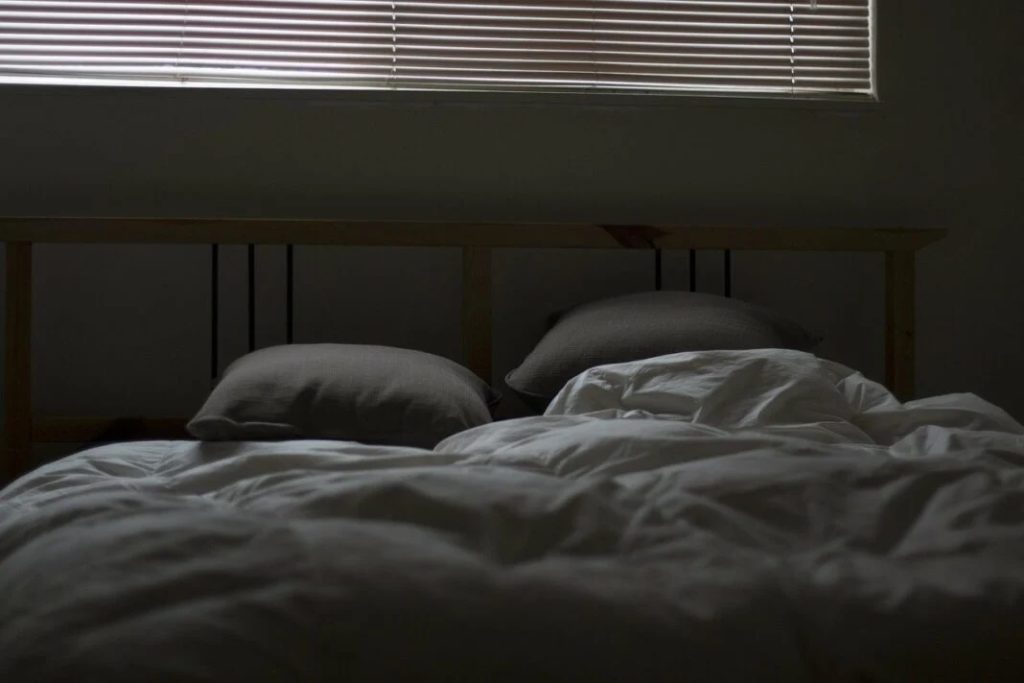
Keep your room cool but in a way that you are comfortable, and also make sure your room is well ventilated.
It is also a good habit to keep your computer, TV, and other materials connected to work out of your space to enable your brain to associate your bedroom only for sleep and privacy.
Create and stick to a relaxing routine before bed
Go to bed and get up at the same time every day, including weekends. Being consistent reinforces your body’s sleep-wake cycle.
You can use an hour or two before bedtime to relax and meditate to help prepare your body and mind for sleep. You can take a shower, read a book, or do any exercise to help promote relaxation.

Avoid activities related to work or school and avoid stressful activities. These kinds of activities can stimulate stress hormones responsible for alertness. Therefore, they can keep you awake and keep your brain active during the night and you don’t want that.
Pay attention to what you eat and drink
Don’t go to bed hungry or stuffed. It is important that you avoid heavy or large meals within a couple of hours of bedtime as this may result in discomfort which might keep you up.
As you may all know, caffeine and alcohol can keep you up and therefore deserve some amount of caution, too.

The stimulating effects of caffeine take hours to wear off and can interfere with sleep. It would be wise to avoid drinking caffeine for 4 – 6 hours before going to bed.
Some people think that alcohol can help them fall asleep. The truth is yes it can, but it will act as a stimulant after a few hours which will without a doubt affect the quality of your sleep later.
Thus, it is also a good habit to avoid drinking alcohol before going to bed.
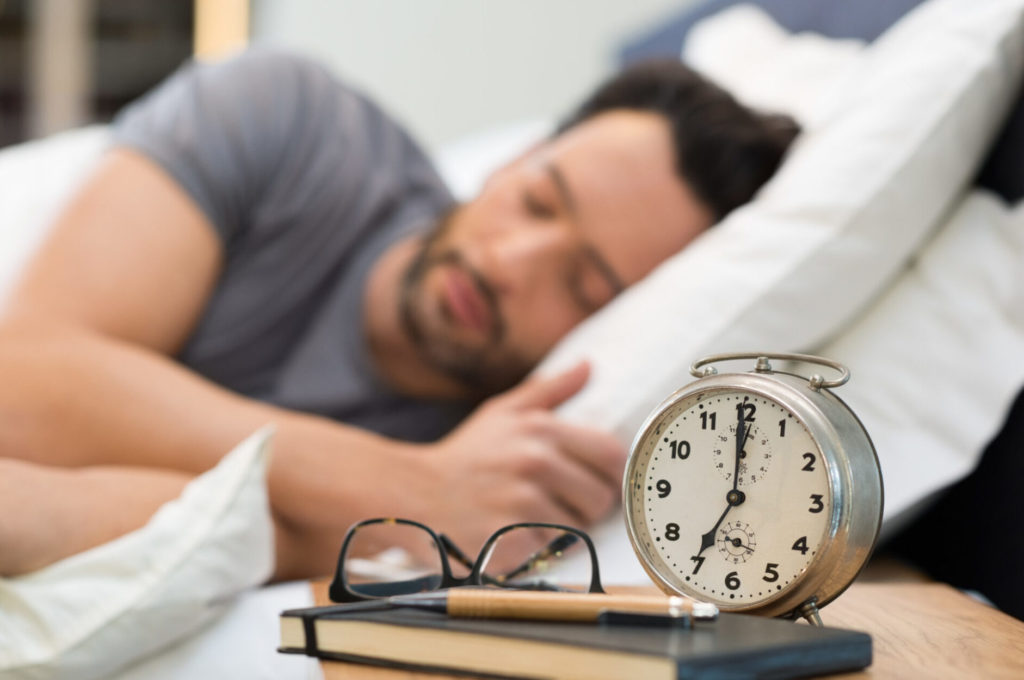
Avoid watching the clock
Are you guilty of watching the clock? If yes, avoid staring at the clock in your bedroom when trying to fall asleep.
Don’t look at the clock too when you wake up in the middle of the night as this can prevent you from going back to sleep.
Watching the clock can cause you stress and awakens your mind, making it harder for you to fall asleep.
It is a good idea to turn your clock away from you when you are going to bed at night.
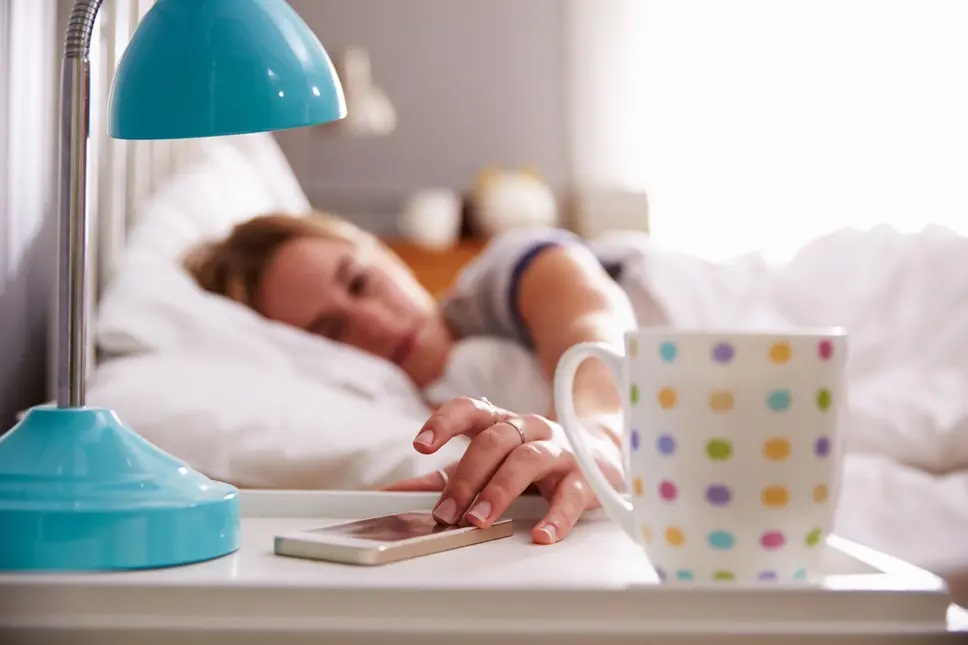
Limit Screen time
Electronics have become a part of everyday life but according to professionals there is no room for it in the bedroom.
Limiting your screen time to a minimum can work wonders for your sleep. Professionals have stated that cell phones, tablets, and laptops can cause mental stimulation that make falling asleep more difficult than it needs to be.
To make matters worse, these screens often shine blue light, which is believed to lower naturally-made melatonin, the hormone which governs our sleep cycles.

Include physical activity in your daily routine
Regular physical activity can promote better sleep. However, avoid being active too close to bedtime.
Simply going for a walk in the sun can do wonders for your sleep. The combination of Vitamin D and light exercise promotes a healthy circadian rhythm, thus, limiting sleep disruption and deprivation.
Exercise can help you fall asleep faster and sleep more soundly—as long as it’s done at the right time. Try to finish exercising at least three hours before bed or work out earlier in the day.

There’s no one size fits all solution for sleep hygiene. The reality is that developing good sleep habits takes trial and error, and a lot of patience.
Habits do not form overnight, and schedules are hard to stick to, so it’s important to gradually build on basic steps over time until they become second nature.

Know when to contact your health care provider
Nearly everyone will experience an occasional sleepless night. However, if you often have trouble sleeping, contact your health care provider.
Identifying and treating any underlying causes can help you get the sleep you deserve.
- send feedback to [email protected]






Comments