

Durrant Pate/Contributor
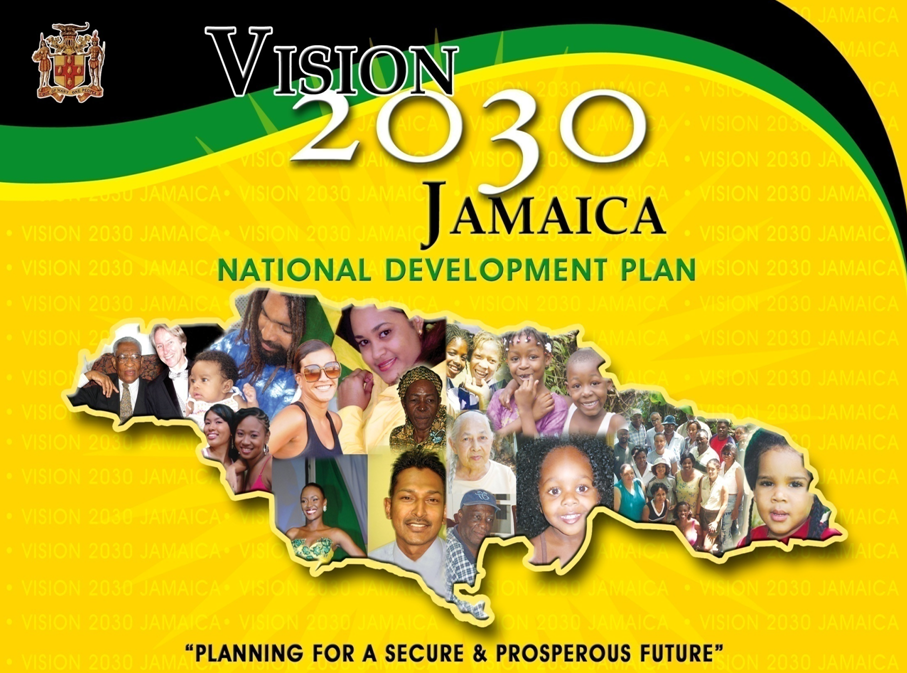
The latest reading of Jamaica’s Vision 2030 national goals displayed improvements above the baseline year of 2007.
The monitoring of performance under Vision 2030 includes the measurement of time series data against a 2007 baseline year and targets aligned with the end of the period covered by each successive Medium Term Socio-Economic Framework (MTF). For the 2020 reporting period, the Planning Institute of Jamaica (PIOJ), said a summary of the performance across the 75 indicators used to monitor progress, showed that 64.0 per cent of the indicators displayed improvements.
However, 32.0 per cent of the indicators showed no improvement or worsened compared with the baseline year. Of the indicators showing improvement above the baseline year, 17.0 per cent achieved the relevant medium-term target with the remaining 47.0 per cent falling short.
The performance of 4.0 per cent of indicators could not be measured owing to data gaps.
Gains and challenges experienced
For the reporting period, the main areas of development gains or demonstration of the sustainability of gains includes human capital development, macro-economic stability, recovery from the COVID-19 pandemic in the business environment and growth and recovery in key industry structures.
Development challenges identified comprise ‘equity’, ‘global competitiveness’, ‘security and safety’ and ‘environmental resilience’. The 5th MTF, which covers the period 2021–2024 (FY 2021/2022 – 2023/2024), was completed along with its companion summary document and a how-to guide for using the MTF.
In late October 2022, the Cabinet approved MTF 2021–2024, which included the customary directives for ministries, departments, and agencies (MDAs) to align their planning with the MTF.
The Vision 2030 Jamaica Secretariat continued collaborating with various stakeholders, including MDAs, academia, civil society and non-governmental organisations, and international development partners (IDPs) to facilitate the alignment of their planning with Vision 2030 Jamaica and the SDGs.
Timely development of MTF 2024–2027

Additionally, Cabinet’s approval of the MTF included a directive for MDAs to support the timely development of MTF 2024–2027, which will be undertaken during the fiscal year 2023/24. MTF 2021–2024 was the primary mechanism utilised to support strengthened integration of Jamaica’s sustainable development goals (SDGs) in the national development processes, particularly results-based planning, budgeting, and monitoring and evaluation.
PIOJ reports that, “there was continued strengthening of the Results-Based Monitoring and Evaluation (M&E) System of Vision 2030 Jamaica as part of the development of an Integrated Evidence and Results-Based Management (IERBM) Framework. This initiative supports the wider Government of Jamaica efforts to institutionalize Integrated Results-Based Management.”
As part of strengthening the framework for results-based planning, the PIOJ, in partnership with the Strategic Public Sector Transformation Project and Ministry of Finance and the Public Service, engaged the services of an international consultancy firm to review and update the 28 Vision 2030 Jamaica sector plans.




Comments