
Dom Rep’s Punta Cana taking steps to become ‘Silicon Valley of the Caribbean’

/ Our Today
administratorBusiness tycoon Frank Elías Rainieri leading way in creation of projects like ‘Punta Cana Hub’
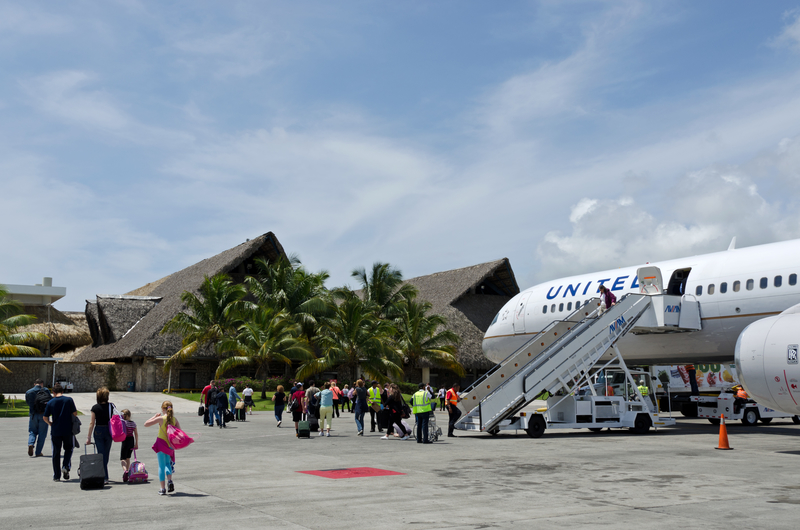
The Dominican Republic town of Punta Cana is seeking to position itself as the Silicon Valley of the Caribbean with the help of local business tycoon, Frank Elías Rainieri.
Rainieri, who just six months ago became his father’s successor as president of the Puntacana Group, already has several projects in the pipeline that go beyond the tourism sector and seek to turn Punta Cana into the Silicon Valley of the Caribbean.
His current vision is that Punta Cana is more than sun, beach, and hotels.

The president of the Puntacana Group is about diversifying his business model and promoting a new industry, just as his father did 50 years ago in Punta Cana.
The purpose of making this Punta Cana, a major tourist destination in the Dom Rep is much more dynamic and has led Rainieri to create innovative projects such as ‘Punta Cana Hub’, with which it is intended to create technology companies in the area and create an equity fund to promote fintech.
Big investment pipeline
The Puntacana Group now assumes an investment of RD$18,000 million is expected within the next 36 months to invest in five large strategic projects to achieve the relaunch of the family business.
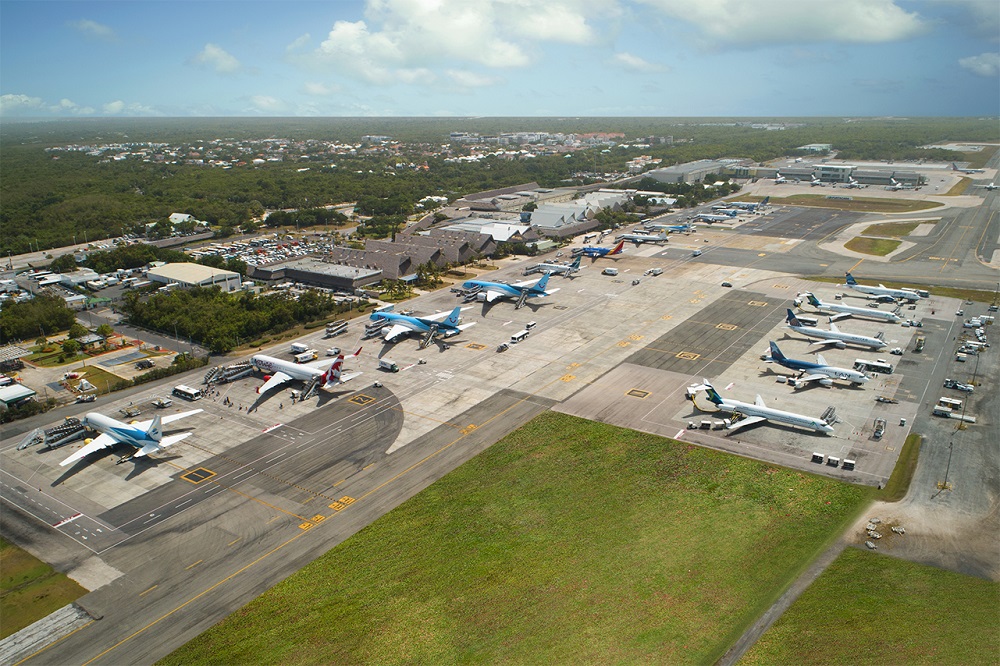
Rainieri, accompanied by Simón Suárez, former president of the Association of Hotels and Tourism of the Dominican Republic (Asonahores) and current vice president of institutional relations and projects of Grupo Puntacana, highlighted that one of the projects will be a free zone park of 200,000 square metres of industrial warehouse. This will consist of a combination of technological and medical products, in addition to working so that many high-end products that are not finished here finish their manufacturing process in the country.
An MRO workshop will be developed for the maintenance, repair, and operation of large aircraft, a project that entails an investment of RD$2,000 million, which is in the closing phase of the agreement and will demand 1,000 aviation engineers.
Among the jobs that will be carried out here are painting planes, repairing brakes, and renovating aircraft interiors, Rainieri reported on the development of a logistics center to transport cargo from South America and North America from Punta Cana to Europe.

“For example, the fruits from Peru that go to Europe can arrive by ship to Caucedo or Haina and from there to Punta Cana and leave by plane to Europe. With this method, they manage to reduce transportation from one month to two weeks,” said Rainieri.
In addition, there are logistics centres in Europe for merchandise such as clothing and pieces that can be installed in Punta Cana and from here send their products to South America in less than 12 hours.
Other initiatives
However, the Puntacana Group will not abandon its raison d’être. Still, it will complement it, for which it also plans to develop a new hotel and the expansion of terminal B at the Punta Cana airport.
Rainieri states that there is still a challenge that the destination must face.
For example, although nearly four million tourists arrive in Punta Cana each year, there are only 100,000 residents in the area when the figure should be between 350,000 and 400,000.
The owner of the tourist company understands that the current statistics do not correspond with the hotel density and that, if new residents arrive in Punta Cana, this would attract new jobs, schools, supermarkets, and the installation of other businesses.






Comments