
First grants delivered to Jamaicans left outside safety net through the Solidarity Programme

Toriann Ellis / Our Today
author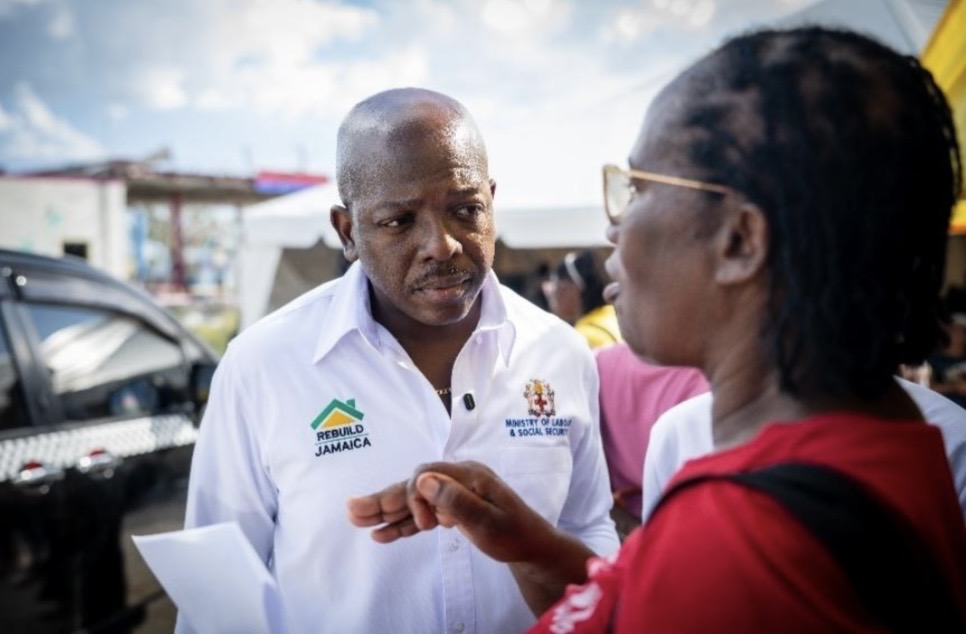
For thousands of Jamaicans who have long struggled without access to formal social protection, help has finally arrived. The Solidarity Programme has begun disbursing its first tranche of $20,000 grant payments, providing immediate financial support to some of the country’s most vulnerable citizens.
Solidarity is a deliberate act of inclusion, designed to reach Jamaicans who, for years, have lived beyond the reach of traditional social protection programmes.
By combining direct financial relief with structured pathways to development services – such as civil registration, healthcare, skills training, employment support and social security assistance- the programme seeks not only to ease hardship, but to empower individuals by connecting them to the tools needed to move beyond poverty.
“The Solidarity programme represents an enhanced social security framework, one rooted in empathy, accountability, and inclusion,” said Pearnel Charles Jr, Minister of Labour and Social Security.
“This programme was not easy to implement. As with any new system, early implementation challenges emerged. These were further compounded by a real-time audit conducted by the Auditor General’s Department, underscoring the Government’s commitment to transparency and accountability. Through continued collaboration, JAMICTA has implemented critical platform improvements, while the Ministry of Labour and Social Security remains closely engaged with the Auditor General’s Department to strengthen quality assurance and safeguard public trust. Solidarity is our commitment to Jamaicans who may feel forgotten—to ensure that no one is left behind.”
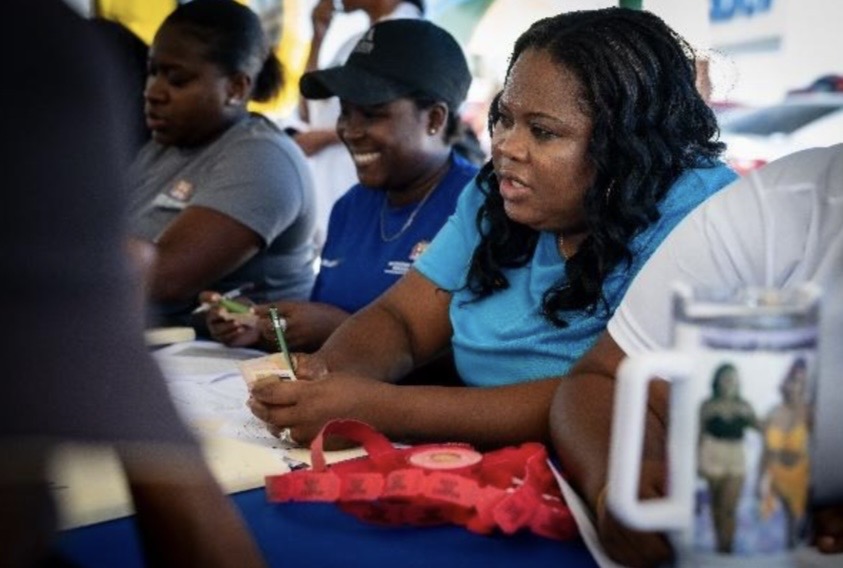
With over 90 per cent of Member of Parliament constituency offices uploading applications, Phase One of the programme is almost complete. Phase Two began with the engagement of select civil society partners, including non-governmental and faith-based organisations. These partners play a crucial role in making referrals and facilitating access to vulnerable groups.
The opening of Phase Three self-referrals will be announced in the New Year.
“Solidarity is the first government programme to be delivered through the GovPayout platform, managed by the Jamaica ICT Authority (JAMICTA). It is a vital lifeline for so many Jamaicans who are not currently captured in the social safety net.
This programme is designed for Jamaicans who have slipped through the cracks and who may feel forgotten.
These are Jamaicans who work, struggle, and survive—often invisibly. This programme acknowledges them, supports them, and opens doors to opportunity.”
Under the initiative, 50,000 Jamaicans who are not enrolled in PATH, Poor Relief, the Social Pension Programme, the National Insurance Scheme, or other similar safety-net programmes and who did not benefit from the Government of Jamaica’s Reverse Income Tax Credit, will receive a one-time cash transfer of $20,000.
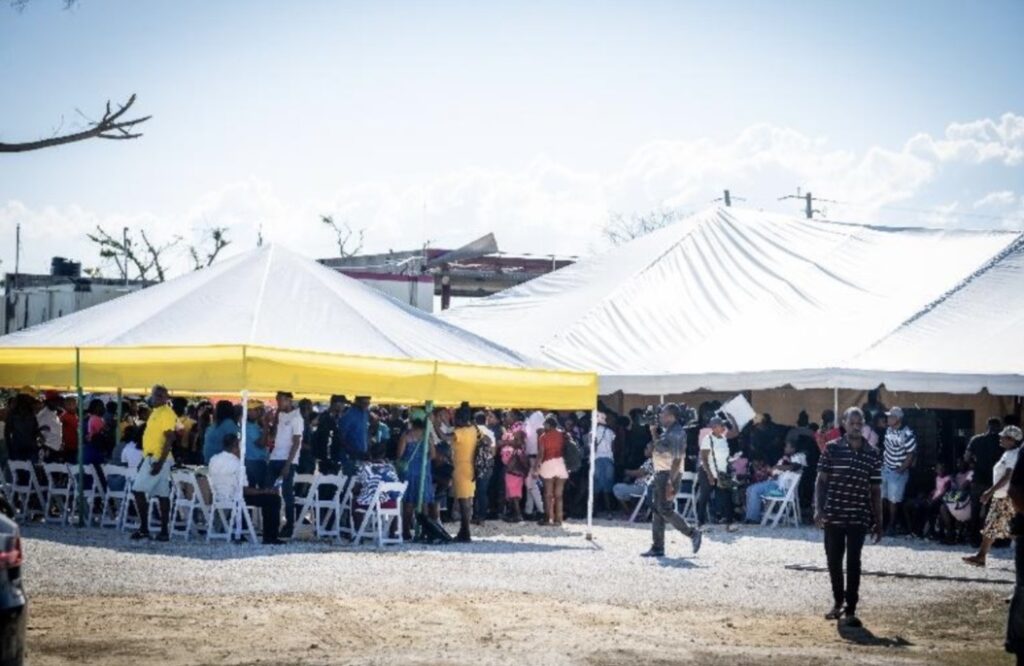
Since the programme’s launch, Solidarity Fairs and community outreach activities have been held in St Mary, Portland, Manchester, Kingston and St Andrew, St Elizabeth, and Westmoreland, complemented by on-the-ground engagement from the MLSS social service teams.
Additional community engagements are scheduled for January 2026, underscoring the programme’s commitment to accessibility and human connection.




Comments