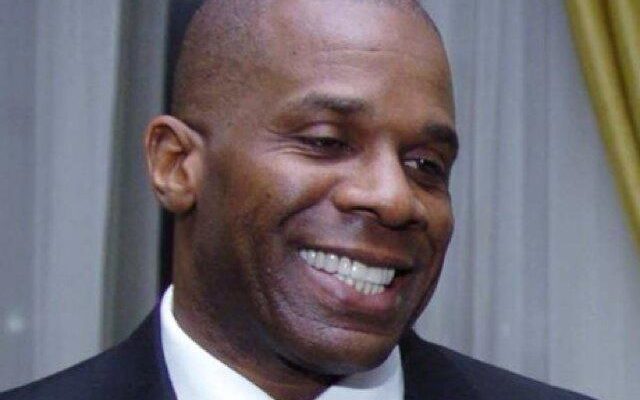
Government senators demand Greg Christie’s removal from Integrity Commission

Tamoy Ashman / Our Today

Government senators have demanded the removal or resignation of Greg Christie, the executive director of the Integrity Commission, who has been singled out for criticism after his republication or articles highlighting a report citing Prime Minister Andrew Holness for possible conflict of interest and breaches of the Corruption (Prevention) Act.
Christie, the senators pointed out in statement today (February 17), at that time failed to highlight that a ruling had been made over a month that there was no cause to prosecute the prime minister.
In their statement, the senators further argued that the Integrity Commission – which did not inform the Parliament of the ruling from its director of corruption prosecution (DCP) until almost a full day after its report was tabled – has brought damage to the Office of the Prime Minister in its handling of the situation.
The report tabled by the Integrity Commission on Tuesday (February 14) stated that Holness was being referred to the DCP in relation to findings from an investigation that determined his recommendation for a known associate to received government contracts may have improperly influenced the procurement process.
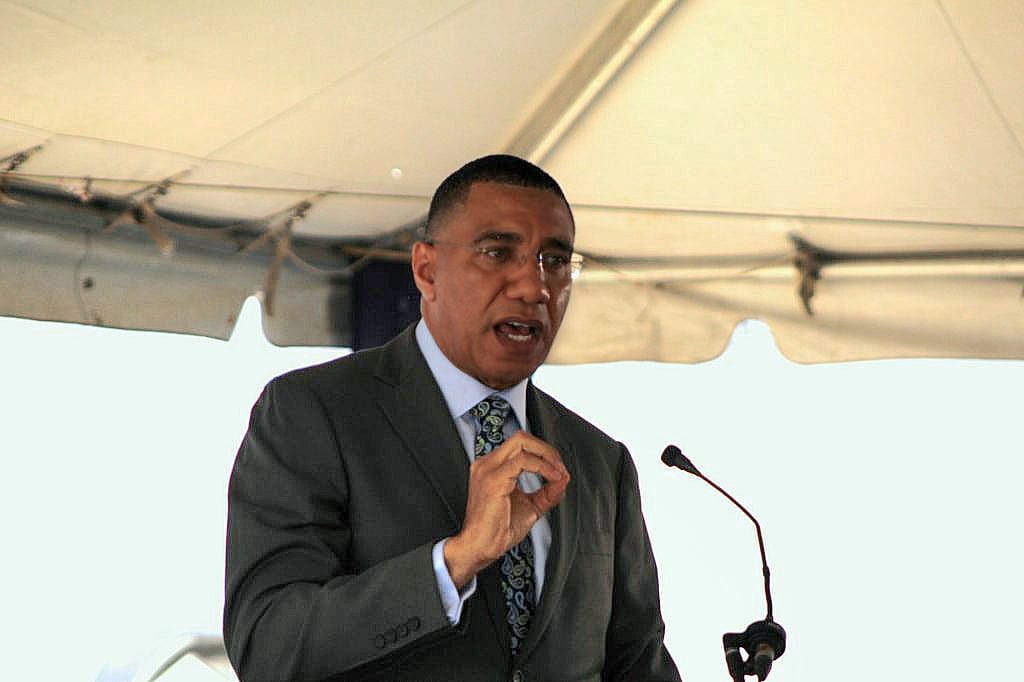
The report gained widespread attention of local and international media, with Opposition Leader Mark Golding demanding on Thursday morning that Holness take a leave of absence while the matter was investigated.
“The damage to the country, the Office of the Prime Minister and the Commission itself was compounded by not only the Commission’s silence following the tabling of the report and prior to the delivery of the ruling to the Parliament, but also the ED’s republication on Twitter, of both domestically and internationally issued material maligning the head of one of the three (3) branches of Jamaica’s government as well as posts made by both the Executive Director and the Commission itself which curiously omitted any mention of the prior exoneration of Jamaica’s Head of Government,” said the senators.
They added that “this unusual and bizarre treatment of the issue has been exacerbated by the executive director’s republication of material on Twitter maligning the official and posts by both the ED and the Commission itself which curiously omitted any mention of the exoneration of the official”.
Additionally, the senators expressed that the Integrity Commission has been brought into public disrepute and subjected to ridicule as a result of the Executive Director’s management of the affairs of the Commission and his public deport on social media.

“The statement issued by the Commission fails to answer these questions adequately. The reputation and
governance of the Commission as an institution must be restored by immediate action which must include an investigation into the circumstances surrounding the actions described above, and the resignation or other removal of the Executive Director.”
A series of questions were also posed with the Government senators demanding timely answers. The questions are as follows:
- Why did the Commission fail to deliver the Ruling on the report tabled contemporaneously with the report?
- What is the explanation for the Commission’s silence after the report was tabled and prior to the delivery of the Ruling at a time when they had the legal authority to publicly correct the speculation and misinformation circulating in the local and international media?
- What could explain the actions of the Executive Director on social media at a time when he must have been aware of the exoneration contained in the Ruling?
- Is it in the best interest of the Commission and all stakeholders concerned that that the Commission continue in its present incarnation and under its current leadership?

Comments