
JTDA responds to national security minister on JamaicaEye maintenance challenges

/ Our Today
administrator
The Jamaica Technology & Digital Alliance (JTDA) has taken note of recent remarks by Minister of National Security, Dr Horace Chang, regarding the operational challenges affecting the JamaicaEye closed-circuit television (CCTV) network.
Reports indicate that a significant number of cameras are currently non-functional due to systemic maintenance issues.
While JTDA recognizes the complexity of maintaining such a critical national security asset, it emphasizes the urgent need to address inefficiencies in procurement and operational practices to ensure a sustainable resolution.
President of the JTDA, Almando Cox, highlighted several key obstacles hindering the effectiveness of such initiatives:
- Focus on Lowest Bids vs. Value-Driven Procurement:
“The government’s preference for the lowest bid often undermines the quality and long-term value of projects,” Cox noted. - Payment Flexibility in Foreign Currency:
“Providers whose operational costs are tied to USD face challenges with payments strictly in Jamaican dollars. Allowing payments in USD or at commercial bank selling rates could significantly ease this burden.” - Delays in the Procurement Process:
“Lengthy procurement timelines often result in price fluctuations, stock shortages, and logistical changes, eroding profit margins and project feasibility by the time contracts are finalized.” - Lagging Payment Schedules:
“Delayed payments stifle cash flow for small and medium enterprises (SMEs), discouraging them from participating in critical national projects,” he added.
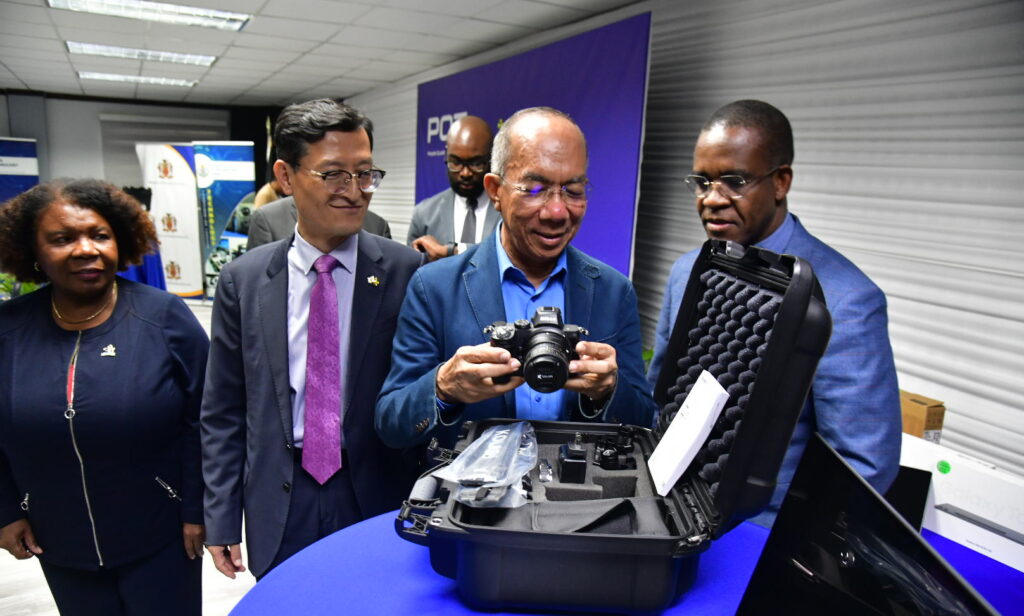
Minister Chang’s statement that “one company has shown the ability to set up the operation required” and is in negotiations for a rollout this financial year underscores the difficulties faced by potential service providers. Cox emphasized that while other companies are capable of managing such projects, the existing procurement process poses significant challenges.
“If issues such as delayed payments and the focus on lowest bids over long-term value were addressed, more companies would be motivated to participate,” Cox stated.
He proposed three practical solutions to improve the technical approach to JamaicaEye’s maintenance:
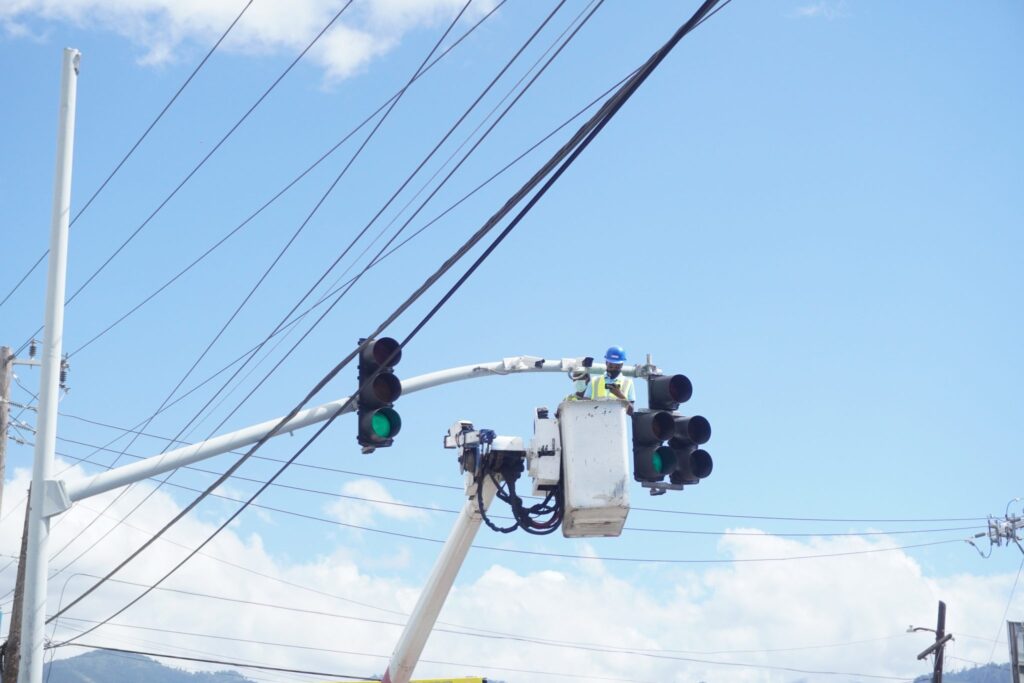
- The Need for a Standard Operating Procedure: Establishing a clear SOP to cover the standard the government is seeking to maintain such as the service interval, a checklist on how the camera servicing is to be executed, define that ISO standard cables will be required and jobs certified. A SOP will help to level the playing field and minimize the cutting of corners.
- Collaborative Financing Models for Bucket Trucks: Bucket trucks are not necessary for most jobs. However, when needed, leasing options or government-owned bucket trucks could broaden eligibility and enable more providers to contribute to the project.
- Regional Maintenance Zones: Establishing maintenance zones across the island and assigning companies to manage specific areas could improve efficiency and encourage wider participation.
“Many capable companies are hesitant to engage in government projects due to the current procurement and payment challenges,” Cox added. “Adopting a more streamlined and equitable approach would be critical to the long-term success of JamaicaEye instead of contracting to one company.”
The JTDA reaffirms its commitment to collaborating with government stakeholders to address these challenges. “By resolving procurement and operational bottlenecks, we can build a robust and resilient security infrastructure that aligns with JamaicaEye’s mission to deter and detect criminal activity,” Cox added. The JTDA also encourages businesses and citizens with external cameras facing public spaces to partner with the Ministry of National Security by registering their cameras and sharing footage with the local authorities.





Comments