Pamela Redwood | The climate crisis demans new approach to hurricane shelters

/ Our Today
administrator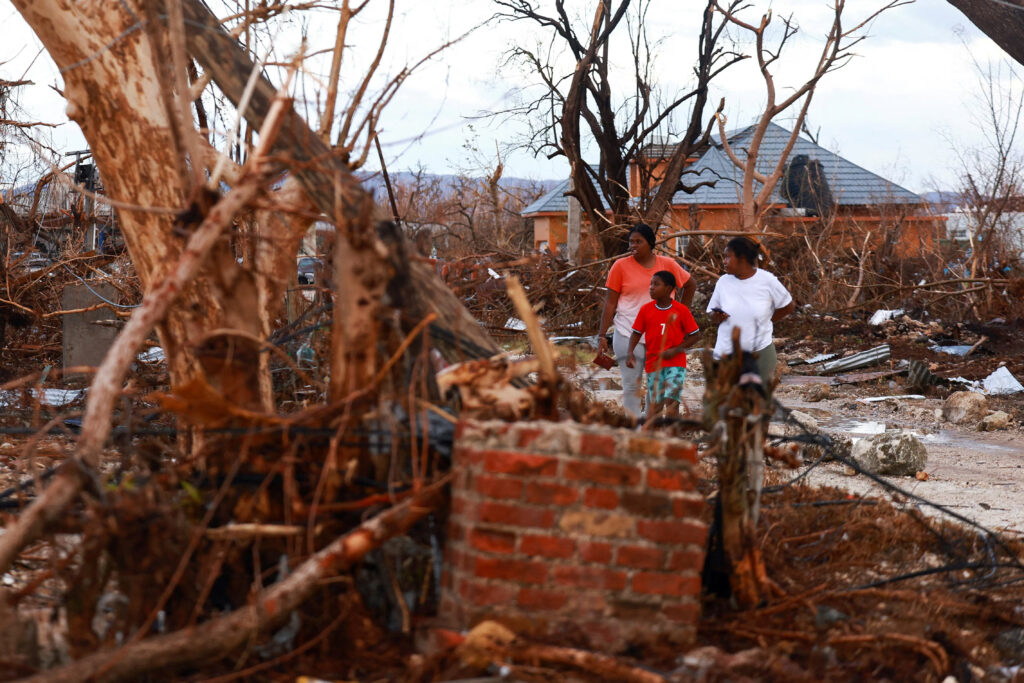
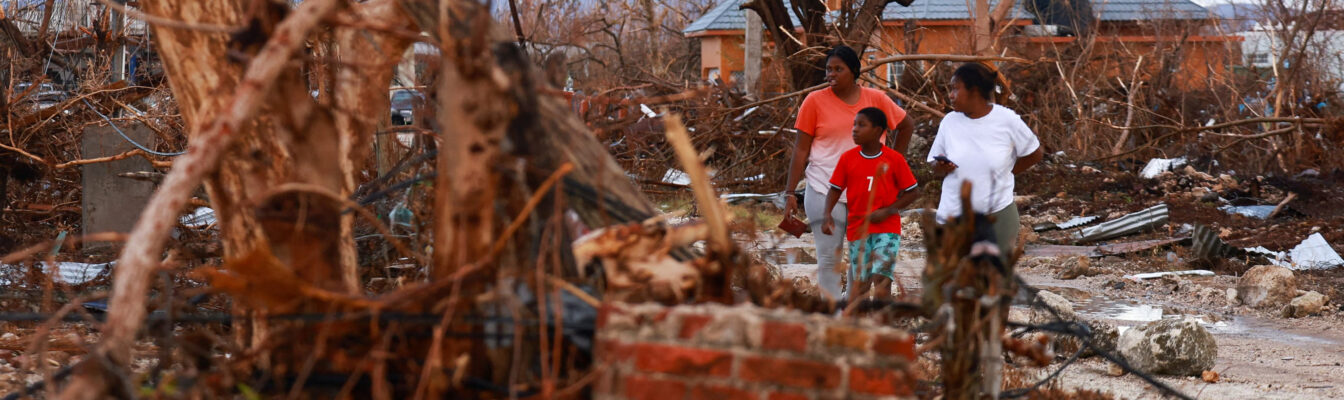
The climate crisis has exposed a critical weakness in our national preparedness: Jamaica can no longer rely on schools as hurricane shelters.
Every storm season, we witness the same cycle—children displaced from classrooms, communities scrambling for safe spaces, and our education system forced to pause in moments when stability is needed most. This model is not just outdated; it is unsustainable.
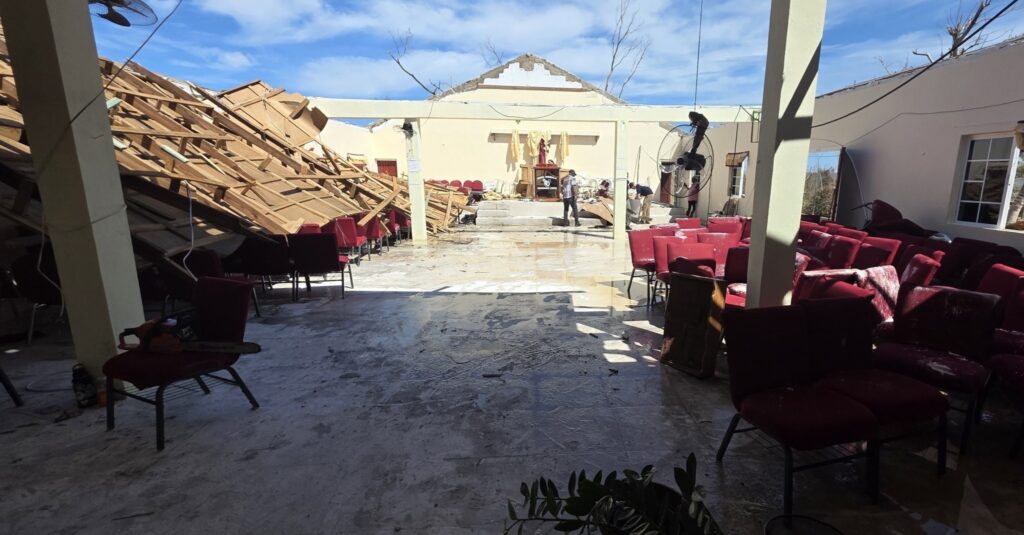
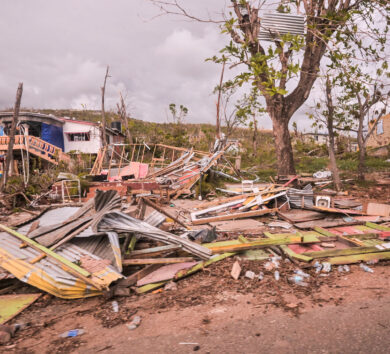
As hurricanes grow stronger, more frequent, and less predictable, the toll on our infrastructure deepens. Schools, built for learning and not as fortified emergency facilities, are stretched beyond their intended purpose. They suffer damage, lose instructional days, and require costly repairs—all while children fall behind academically. We cannot, and must not, continue to hold back the nation’s children because our disaster-response framework has not evolved.
Purpose-built hurricane shelters must become a national priority. These shelters should be strategically located, engineered to withstand major storms, equipped with backup power and water supplies, and staffed with trained personnel. They must ensure dignity, safety, and continuity for families in crisis—without sacrificing the core function of our schools.
The climate crisis is rewriting the rules, and governance must respond with urgency. Investing in dedicated shelters is not merely a budgetary decision; it is a moral obligation. It signals that we value both the safety of our citizens and the uninterrupted education of our children. It demonstrates that we are willing to adapt, to innovate, and to protect the next generation from the compounded vulnerabilities of disaster and disrupted learning.
Jamaica’s future depends on our ability to build resilience, not patch holes in outdated systems. The time has come for the government to commit to a new paradigm—one where education is safeguarded, communities are protected, and hurricane preparedness reflects the reality of the climate




Comments