


The American economy ended 2024 on a solid note advancing by 2.8 per cent annualised with consumer spending continuing to drive growth.
The Department of Commerce is reporting that gross domestic product (GDP) expanded at a 2.3 per cent annual rate from October through December, as consumer spending more than offset drags from a strike at Boeing Co. and much leaner inventory investment.
However, for the full year, the economy grew a healthy 2.8 per cent, compared with 2.9 per cent in 2023. Much of the latest growth was driven by hefty consumer spending which grew at a 4.2 per cent pace, the fastest since January-March 2023 and up from 3.7 per cent in July-September last year.
Americans stocked up on big-ticket items to guard against possible price increases from new import taxes. Spending on durable goods such as cars, appliances and furniture rose by 12 per cent in the fourth quarter.
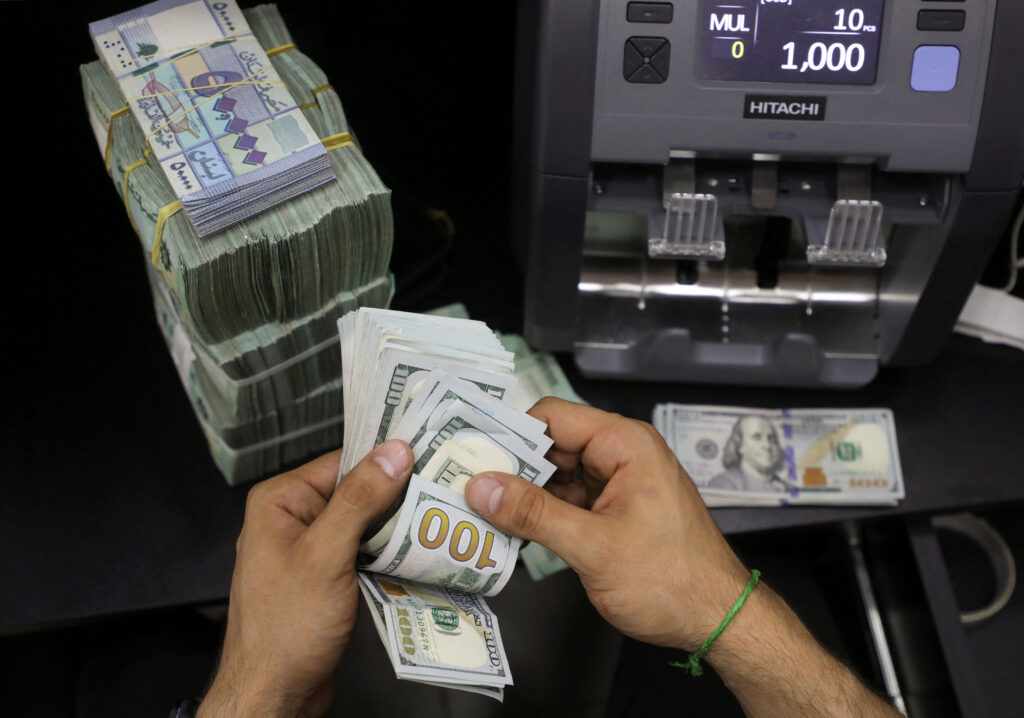
Data released by the Commerce Department also showed persistent inflationary pressure at the end of 2024.
The Federal Reserve’s favoured inflation gauge, the personal consumption expenditures index (PCE), rose at a 2.3 per cent annual pace last quarter, up from 1.5 per cent in the third quarter and above the Fed’s two per cent target.
Excluding volatile food and energy prices, so-called core PCE inflation was 2.5 per cent, up from 2.2 per cent in the July-September quarter.
President Donald Trump has inherited a healthy economy.

Growth has been steady and unemployment was low at 4.1 per cent in December as the economy entered the new year facing a new set of challenges.
The whirlwind start to Trump’s second term—including sweeping changes to immigration policy, a spending freeze that was announced and then rescinded, and steep tariffs that could take effect as early as this weekend—has increased uncertainty for households and businesses.
Economists warn that his proposals on trade and immigration, in particular, could lead to faster inflation, slower growth or both.
The economy has proven remarkably resilient after the Fed’s inflation fighters raised rates 11 times in 2022 and 2023 to combat the biggest surge in consumer prices since the 1980s. Instead of sliding into a recession, as most economists predicted, GDP kept expanding.
Growth has now topped two per cent in nine of the last 10 quarters.
On Wednesday (January 29), the Fed left its benchmark interest rate unchanged after making three cuts since September.
With the economy rolling along, Fed chair Jerome Powell told reporters, “we do not need to be in a hurry” to make more cuts.
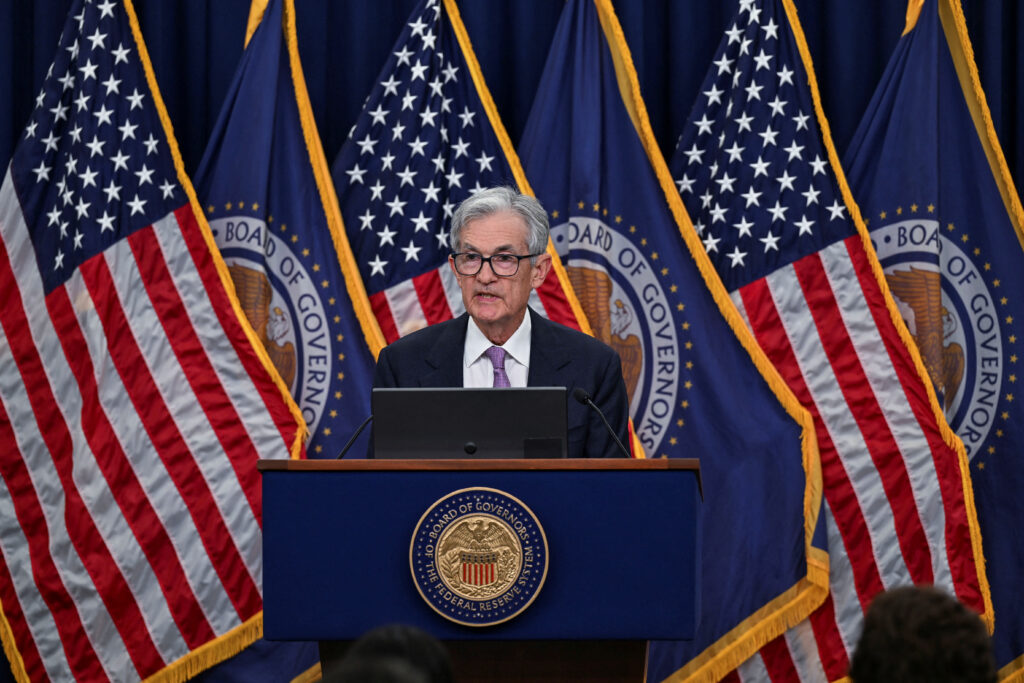
The Fed is also cautious because progress against inflation has stalled in recent months after falling from four-decade highs hit in mid-2022. There are signs that high rates are taking an increasing toll on low- and moderate-income families, who are more likely to rely on credit cards, car loans and other forms of credit.
Defaults and delinquencies have crept up recently, and consumer sentiment fell in January. Some economists argue that spending is being propped up by wealthier consumers, who are benefiting from a rising stock market and high rates of interest on savings.






Comments