
US$383 million replenishment of CDB fund to reduce Caribbean poverty and inequality

/ Our Today
administratorMember countries have pledged to contribute US$188.2 million for 2020-2024 period

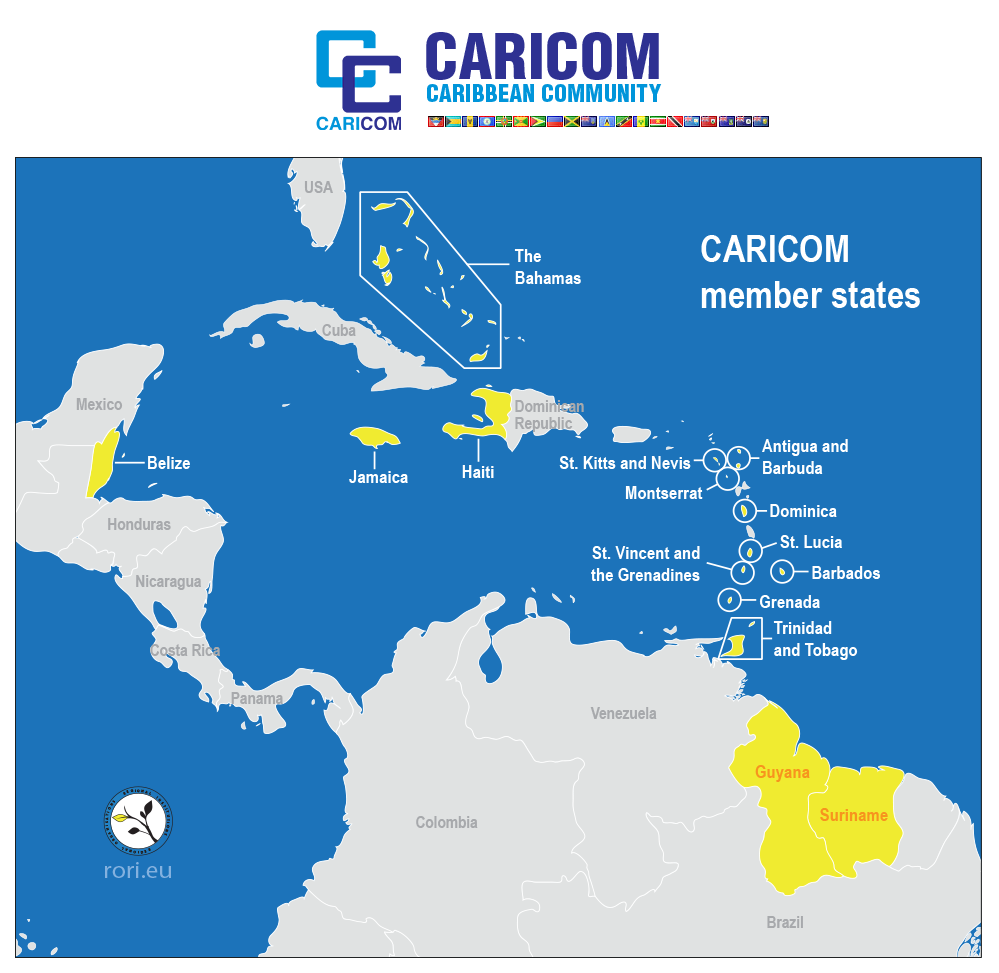
The board of directors of the Caribbean Development Bank (CDB) today endorsed a US$383 million programme for its Special Development Fund (SDF), which is devised to reduce poverty and inequality and transform the lives of citizens in its borrowing member countries (BMCs).
This would be the 10th cycle of the bank’s SDF, which represents the principal pool of concessional resources available to assist BMCs in addressing a number of pressing issues affecting the region.
These include poverty, sustainable development, governance, capacity development, gender inequalities, environmental sustainability, climate change, disaster risk management, and regional cooperation and integration.
Established in 1970, the SDF is a unique partnership among the CDB’s stakeholders with both borrowing and non-borrowing members contributing to its resources.
With support from CDB and other development partners, BMCs have been making consistent efforts over the past two decades to reduce poverty and inequality.
However, pressing development challenges persist and the ongoing COVID-19 pandemic has undermined some of the socio-economic gains achieved.
Member countries have pledged to contribute US$188.2 million to the SDF for the period 2020-2024 while the bank has allocated US$162.8 million from internal resources, such as loan repayments.
The remaining gap in the programme funding of US$32 million is expected to be provided by existing and prospective contributors. About two-thirds of the fund will be used for concessional loans to BMCs with the remainder allocated to grants.
Top contributors to the SDF
The top five contributors to SDF 10 are Canada (C$81.4 million / US$59.6 million); United Kingdom (£21 million / US$26.5 million); Germany (€12.4 million / US$13.7 million); Jamaica (US$13 million) and Trinidad and Tobago (US$11.3 million).
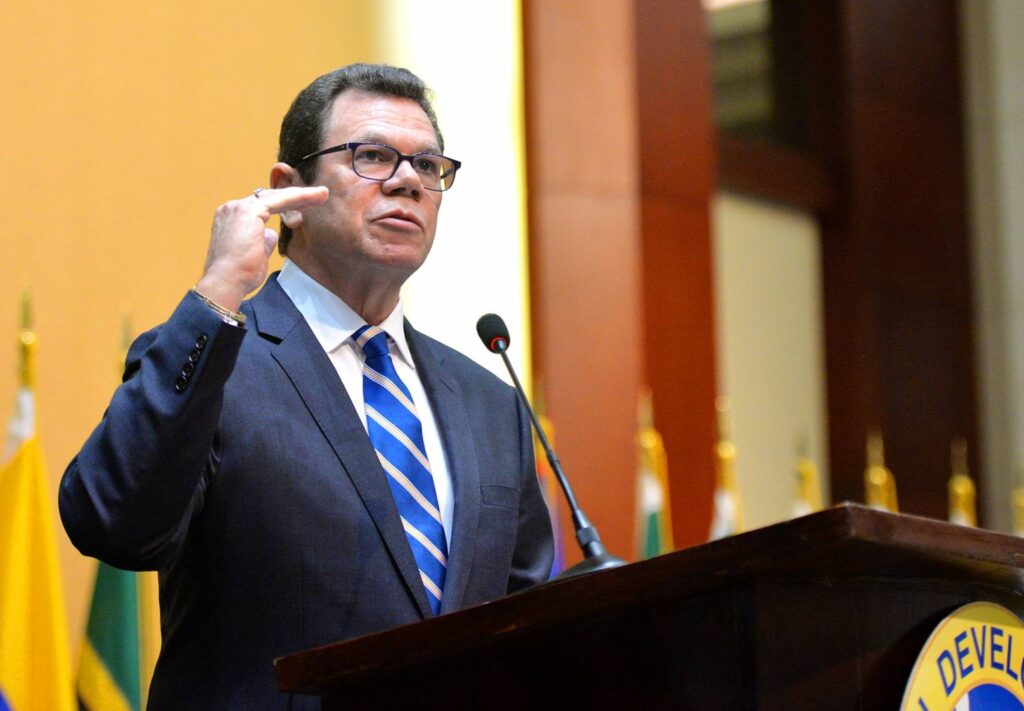
CDB President Dr Warren Smith points out that, “A key concern for the Special Development Fund over this cycle will be the need to respond meaningfully to the challenges of poor and vulnerable groups whose conditions have been made worse by the COVID-19 pandemic. The priority will be a focus on developing social resilience by building the capacity of individuals, communities and countries, so that they are prepared for shocks, and can cope when they do occur.”
The impact of COVID-19 has put tremendous stress on social protection systems that were already challenged to respond to the needs of the poor and vulnerable. As such, the CDB welcomes the sustained commitment of the contributors to the SDF.
According to Dr Smith, “Through this solid partnership, the CDB can continue to lift people out of poverty and support countries in the recovery phase.”
To tackle the fall-out of the pandemic and make further development gains, the overarching goal of SDF-10 is to assist BMCs to reduce poverty and inequality, and to transform the lives of BMC citizens consistent with the Sustainable Development Goals.
SDF strategic direction
The strategic direction of the SDF is built on three pillars, namely:
- Social resilience and leaving no-one behind, which includes social infrastructure, education and training, initiatives geared toward capacity-building, youth development, agriculture, rural development, water, and sanitation
- Economic resilience for inclusive growth, which encourages the expansion of climate-resilient economic infrastructure; private sector development, including micro, small and medium-sized enterprises, and blue economy initiatives
- Environmental resilience, which encompasses environmental management, climate adaptation and mitigation, disaster risk management and promoting sustainable energy solutions. Four cross-cutting themes, namely gender equality, good governance, digitalisation, and regional cooperation and integration run through these pillars.



Comments