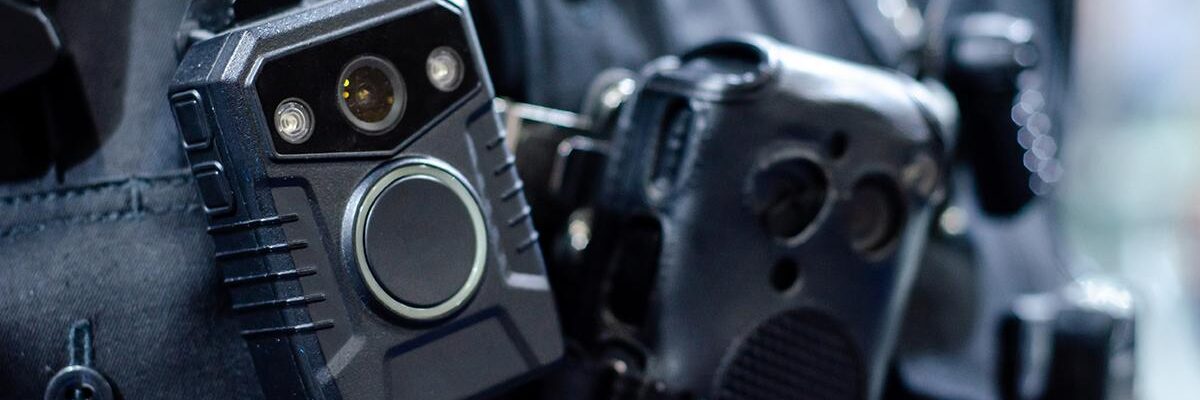
Bodycam debate sharpens as police commissioner mounts defiant defence

/ Our Today
administrator
The long-running national debate over body-worn cameras in the Jamaica Constabulary Force (JCF) has entered a sharper and more confrontational phase, following a strongly worded defence of the programme by Police Commissioner Dr Kevin Blake, who has dismissed claims of institutional resistance as “lies” and accused critics of deliberately misleading the public.
In a column published in this week’s Force Orders, Dr Blake said he was compelled to abandon diplomacy in the face of what he described as persistent attempts to construct false narratives around the implementation of body-worn cameras, particularly in the context of police-involved fatal shootings.
“I am convinced that this is not misunderstanding, it is direct misleading,” the commissioner wrote, adding that the portrayal of the JCF as obstructing the rollout of cameras was both inaccurate and intentional.
The commissioner’s comments land against the backdrop of a debate that has simmered for years between the police on one side, and civil society groups, human rights advocates and oversight bodies on the other. While there is broad agreement that body-worn cameras are a useful policing tool, the dispute has centred on implementation, governance and control.
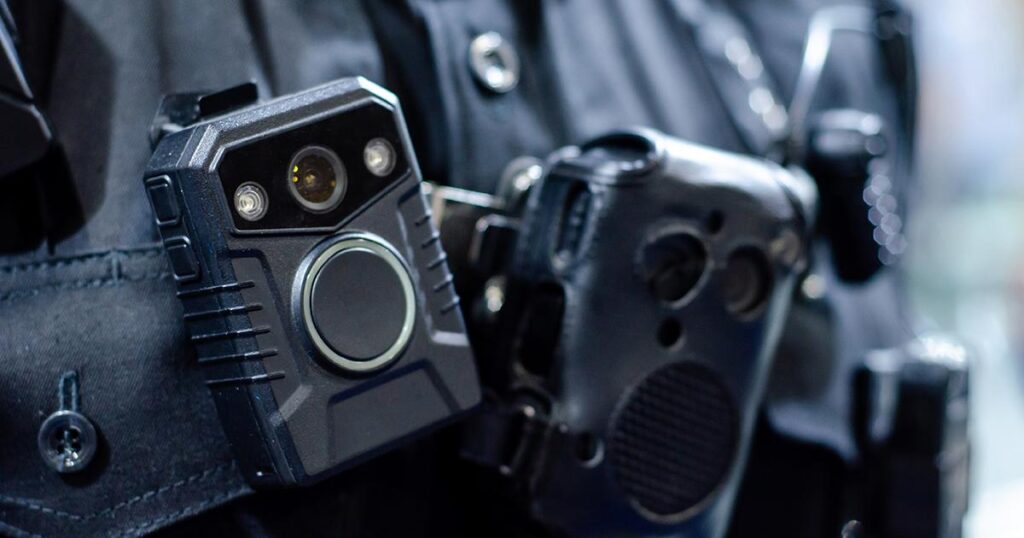
Civil society organisations and oversight advocates, including those focused on police accountability, have repeatedly argued that body-worn cameras only strengthen public trust if their use is governed by clear, enforceable rules. Central to their concern are issues such as inconsistent activation, delays in accessing footage following fatal shootings, and the absence of automatic consequences when cameras are not used during critical incidents.
Oversight bodies, particularly the Independent Commission of Investigations (INDECOM), have stressed that timely and independent access to footage is essential to credible investigations. From this perspective, cameras are only as effective as the systems that govern their use and disclosure.
Dr Blake has directly challenged one of the most persistent claims that the JCF delayed the rollout of body-worn cameras due to unresolved infrastructure issues. According to the Commissioner, the digital infrastructure required to support the programme has been in place since 2023, and delays since then have been tied to procurement and deployment, not technical readiness.
He pointed to public updates he provided last year, including announcing that the force was at an advanced stage of procuring 1,000 cameras. Those units, he said, were delivered within weeks and have largely been deployed, with procurement now underway for an additional 1,000 cameras.
“Yet, persons continue to feed to the public the lies that we have said that we are awaiting the infrastructure,” he wrote.
The commissioner went further, suggesting that the narrative of police resistance serves the interests of critics rather than public accountability, accusing some commentators of sustaining relevance by portraying the JCF as hostile to reform.
At the core of the dispute is a fundamental difference in how body-worn cameras are viewed. Police leadership has consistently framed BWCs as a professionalisation and protection tool useful for evidence gathering, strengthening prosecutions, and shielding officers from false allegations. From the JCF’s standpoint, cameras operate within existing command structures and disciplinary systems and must be applied with operational discretion.
Civil society groups, however, argue that cameras cannot meaningfully enhance accountability if their activation remains discretionary, if footage access is delayed or restricted, or if failure to record critical encounters carries no clear sanction. For critics, the issue is less about whether cameras exist and more about whether their use shifts power outward toward independent investigators, the courts and public scrutiny.
Dr Blake also situated the body-worn camera debate within a broader critique of what he described as an economy of commentary that thrives on portraying the police as ineffective or abusive. He rejected claims that recent reductions in violent crime were driven by unlawful police conduct or excessive use of lethal force.
According to the Commissioner, such narratives ignore the reality that hundreds of firearm-related arrests are made annually without fatal outcomes, noting that lethal force is used only when officers face a deadly threat. “They presented no deadly challenge, hence we had no reason to meet them with deadly response,” he said.
He closed by urging advocacy groups and commentators to focus their efforts on discouraging armed confrontations with police, while reassuring rank-and-file officers that leadership would stand behind those who act within the law.
Dr Blake’s remarks signal a hardening of tone from police leadership and suggest that the body-worn camera discussion is moving from a technical policy debate into a broader contest over narrative, trust and institutional legitimacy.
While both sides support the presence of cameras, the disagreement remains unresolved: whether body-worn cameras function primarily as an internal policing tool, or as a mechanism that must be tightly governed by independent oversight to deliver meaningful accountability. Until that gap is bridged, the body-worn camera programme is likely to remain a flashpoint in Jamaica’s wider policing and justice reform conversation.





Comments